// 2026-08-05 · Entertainment & Fun · by Bob Smith
BestSimilar: Name Something You Loved, Get Something Like It
BestSimilar takes a film, show, book, game or band you already like and returns a ranked list of genuinely similar ones, with the reasons spelled out in tags.
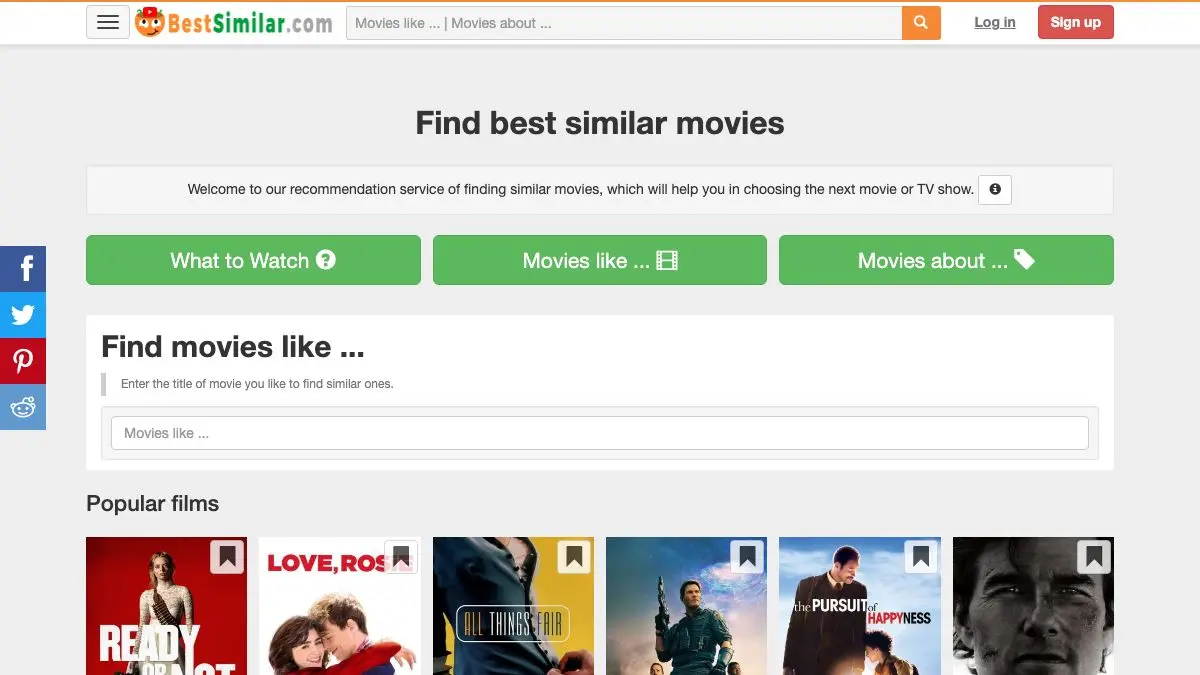
BestSimilar solves the most common cultural problem there is. You just finished something you loved. You want another one. Not the same one, not a sequel, another one that hits the same way. Type the title in and you get a ranked list of things that do, with the reasons attached.
It works for films, shows, books, games and music, which makes it one of the few recommendation tools you can use for an entire evening’s worth of decisions.
What is BestSimilar?
Recommendation engines mostly optimize for engagement on a specific platform. A streaming service recommends what it has the rights to and what will keep you subscribed. A retailer recommends what it wants to sell. Neither is answering the question you actually asked, which is “what else is like this”.
BestSimilar answers that question directly, and it does so with an unusually legible method. Every title in the database carries descriptive tags: not just genre, but mood, setting, pacing, theme, structure. Users vote on whether two things are genuinely alike. Over time that voting produces a similarity ranking that reflects what a lot of people actually felt, rather than what a content graph inferred.
The tags are the part that makes it useful. When it tells you that a film resembles the one you named, it also tells you why: “atmospheric”, “slow burn”, “unreliable narrator”, “dystopia”, “found family”. You can immediately see whether the resemblance is the one you cared about. If you loved a movie for its visuals and it is being recommended for its plot structure, you know to skip it. Most recommendation systems refuse to explain themselves; this one shows its reasoning on the card.
Then there is the multi-seed search, which is where the site quietly becomes powerful. One title is a broad direction. Three titles is a much narrower request: find me the thing at the center of these. Anyone who has tried to describe a taste to a friend knows that this is how it actually works in conversation, “it’s like this crossed with this, but calmer”, and the site simply lets you type that.
Coverage stretches across media, so you can pivot: enter a novel, get films; enter a game, get books with the same atmosphere. Cross-medium recommendation is rare and, when it works, is the most satisfying thing the site does.
What can you do with BestSimilar?
- Search a single title. Enter any film, show, book, game or artist and get a ranked list of similar items.
- Combine several titles. Add two or three seeds to narrow the results toward what they have in common.
- Read the similarity tags. Each recommendation carries tags explaining the connection, so you can judge relevance before committing.
- Browse by tag. Skip the seed entirely and explore a mood or theme directly, which is useful when you know the feeling but not the example.
- Cross media. Ask for books like a film, or games like a novel, and get answers that a single-medium service could never give.
- Vote and refine. With an account you can vote on similarity and add tags, which improves the rankings for everyone.
- Filter by rating or year. Trim a long list down to well-reviewed or recent items when the raw results are overwhelming.
Tips to get the most out of it
Always use more than one seed. This is the single biggest improvement available. One title gives you a genre. Three titles give you a taste, and the results narrow dramatically.
Read the tags before the titles. The tag cluster tells you which axis of similarity is being matched. If it is not the axis you cared about, the recommendation is not for you no matter how well reviewed it is.
Seed with the less famous thing you liked. Very popular titles pull in generic results because everyone has voted on them. An obscure favorite produces a far more distinctive list.
Use it across media deliberately. Entering a film and asking for books is where the site outperforms almost everything else, because no streaming or retail algorithm has any incentive to make that jump.
Check availability elsewhere. BestSimilar tells you what to watch or read, not where to find it. Pair it with a streaming search tool and the two together cover the whole decision.
Vote when you disagree. The rankings are community-built, so a few minutes of voting on things you know well makes the tool better for the next person, including you.
If you like BestSimilar, also try…
- TasteDive: the same idea with a different database and a stronger music side.
- A Good Movie to Watch: hand-picked films with a filter for exactly the mood you are in.
- MovieLens: a research-grade recommender that gets uncannily good once you have rated enough films.
- Literature Map: a visual map of which authors sit close to which, for the book side of the problem.
More things to do with an empty evening in Entertainment & Fun.
Frequently asked questions
What is BestSimilar?
BestSimilar is a recommendation site covering movies, TV shows, books, games and music. You enter something you enjoyed and it returns a ranked list of similar titles, each with tags describing what the two have in common. Recommendations are driven by user voting rather than by a single opaque algorithm.
Is BestSimilar free?
Yes, searching and browsing recommendations is free and works without an account. Registering lets you vote on similarity, save lists and influence the rankings, but nothing essential is behind a login.
How does BestSimilar decide what is similar?
It combines descriptive tags with community votes. Users mark whether two titles genuinely resemble each other and add tags for mood, theme, setting and style, so an item's ranking reflects accumulated human judgment. That is why the results often capture tone rather than just genre.
Can I search for more than one title at a time?
Yes. You can combine several titles to find items that resemble the intersection of them, which is far more precise than a single seed. Two or three well-chosen inputs usually produce a much better list than one.